Optimizing UX for Secure and Seamless Web3 Authentication


AvChain is a blockchain-based Web3 service startup that developed an MVP for a digital identity app. As a senior product designer, I led the end-to-end UX/UI design of the project.
Traditional physical ID cards are vulnerable to forgery and pose risks of personal data exposure if lost. Additionally, identity verification in digital environments is often cumbersome and lacks security. To address these challenges, a blockchain-powered digital identity system was required.
1. Build a trustworthy decentralized data system using blockchain technology.
2. Provide a seamless digital identity verification experience that can fully replace physical ID cards.
3. Optimize UX for quick and easy identity verification.
To better understand user needs, we conducted user research by analyzing existing ID usage patterns and interviewing users. Additionally, we performed a competitor analysis to identify the limitations of existing digital ID and blockchain authentication services. Through this research, we discovered that users prioritize a balance between security and convenience. We also found that complex verification processes increase drop-off rates, and that QR codes and biometric authentication are the preferred methods for quick and seamless access.
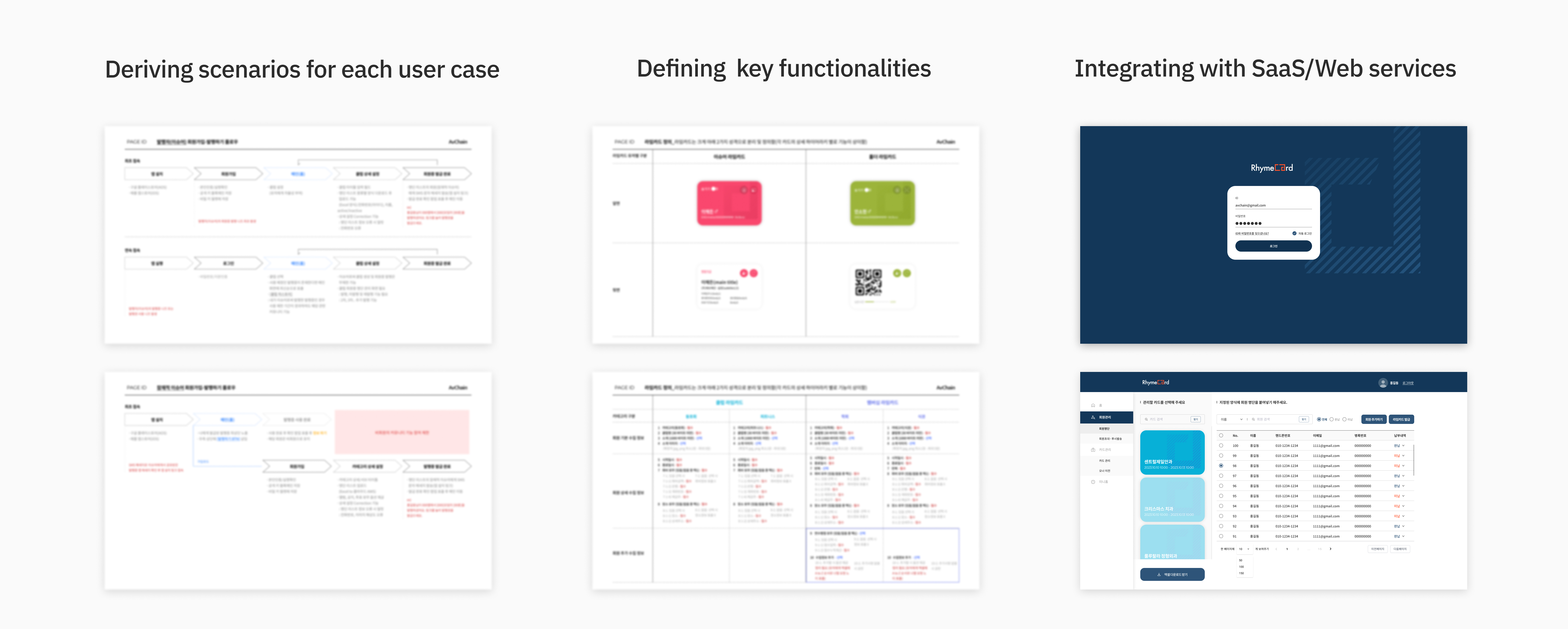
Based on these insights, we developed a click-through prototype using Figma and recruited beta testers post-launch for testing. Through usability testing, we gathered feedback and iterated on the UI/UX to refine the authentication flow. This iterative process led to improvements in intuitive authentication processes and overall accessibility, ensuring a seamless and secure user experience.
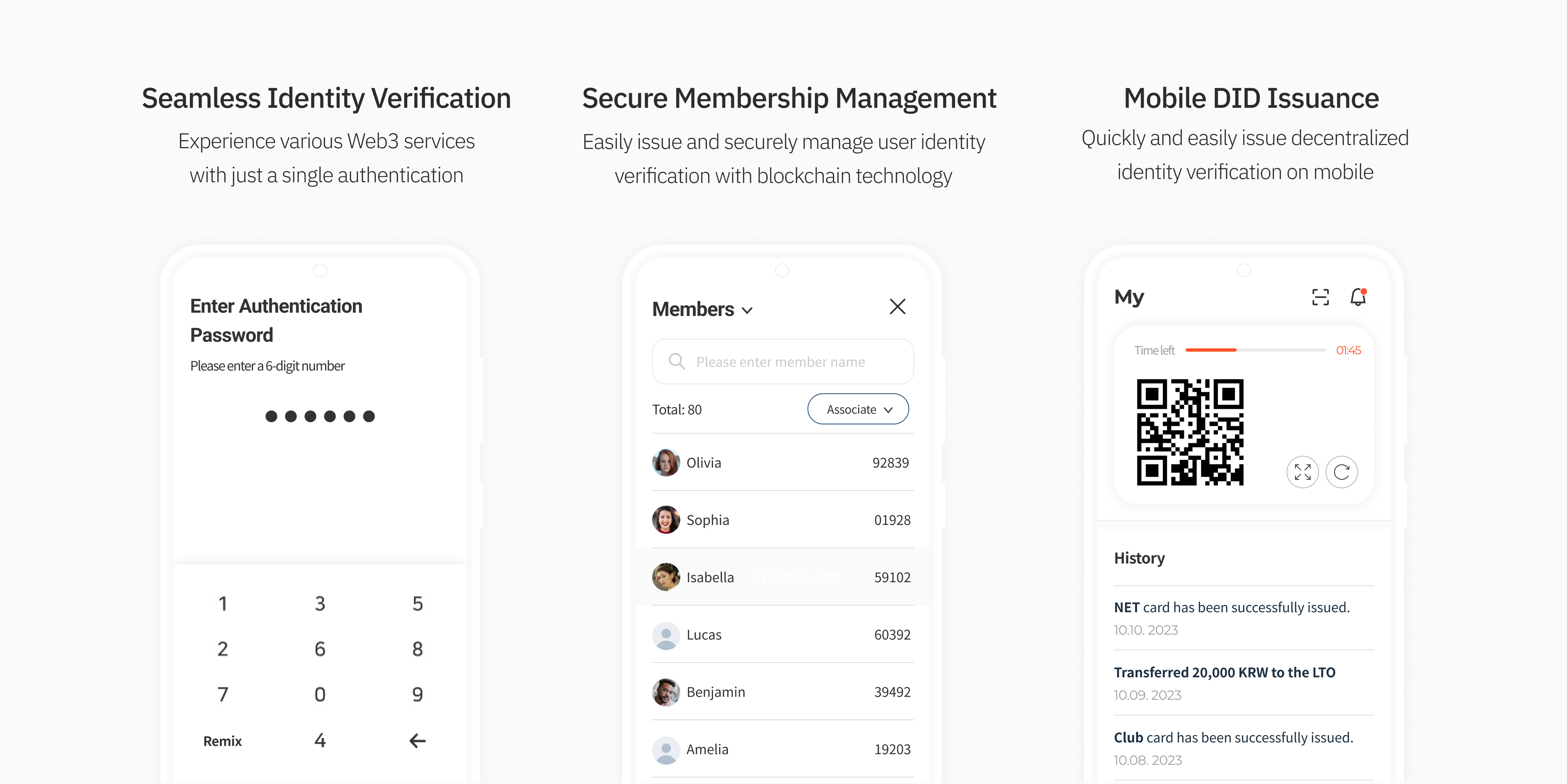
Ranked #12 in app productivity category.
Increased downloads and improved early user retention.
Enhanced security and trustworthiness with blockchain-based identity verification.
This project reaffirmed that balancing security and usability is the biggest challenge in digital identity verification. While security is crucial for handling sensitive ID information, neglecting ease of use can hinder adoption. Achieving harmony between technology and design is essential, and iterative refinement plays a key role in optimizing the user experience. During UI implementation, We faced challenges collaborating on the development of a card-flip animation, highlighting the complexity of bridging design and engineering. Moving forward, I plan to explore more intuitive authentication methods, such as passkeys and biometric verification, while continuously refining UX elements to build greater user trust.